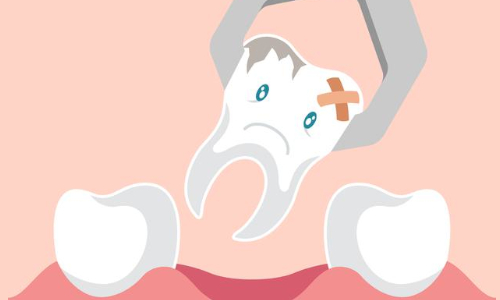
Dental Extractions or Tooth Removal
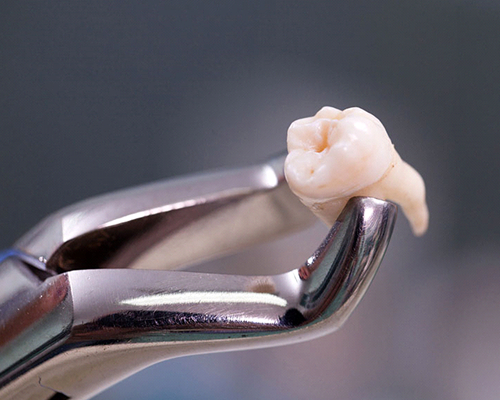
- Dental Extractions or tooth removal is nothing but the painless removal of the tooth or tooth root
- It is done under Local Anesthesia
A tooth maybe indicated for removal due to various reasons like:
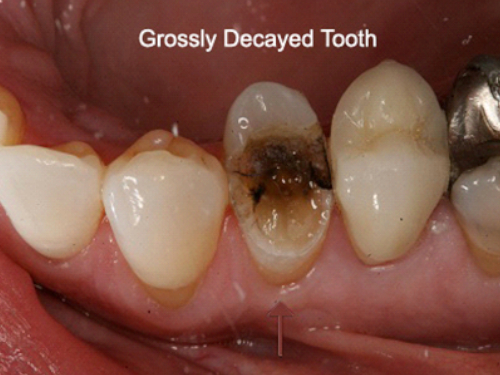
Teeth that cannot be saved by Root Canal treatment due to extensive loss of tooth structure or decay
Teeth that show persistent infection and do not respond to other treatment
Teeth that cannot be restored due to extensive decay
Teeth that show failure of previous RCT
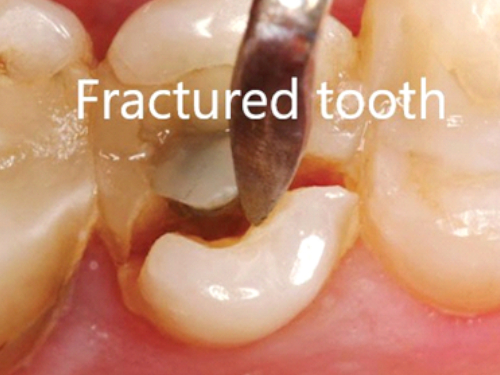
Fractured teeth
Root pieces left with no crown
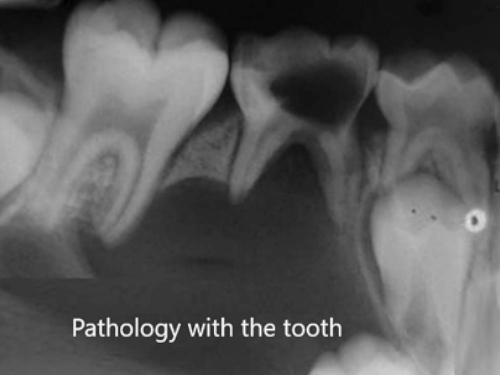
Any pathology associated with the tooth which is seen on Xray
Teeth removed for the Orthodontic treatment (braces)
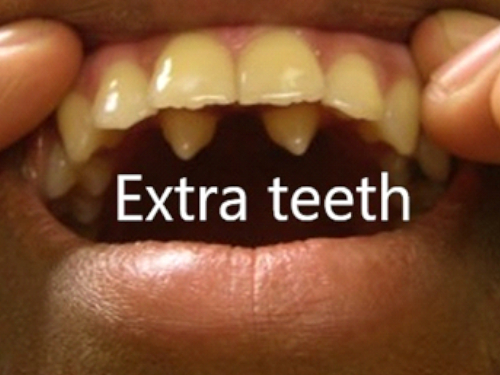
Supernumerary teeth or extra teeth present that cause trauma or crowding to other teeth
Teeth which are mobile
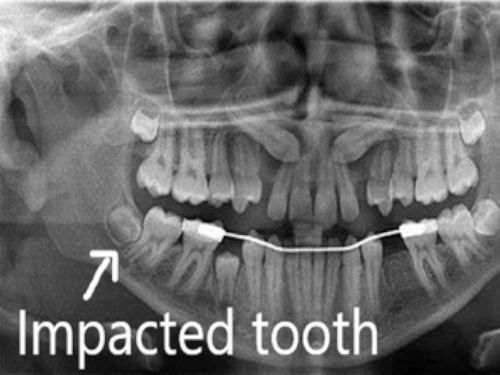
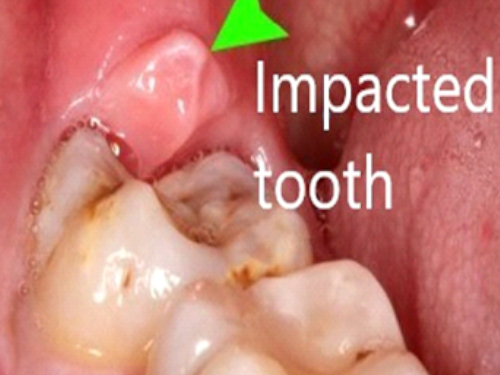
Wisdom teeth or 3rd Molars which are impacted (not fully erupted) and cause pain or difficulty in opening of mouth
Teeth that are removed for denture prosthesis
Patient's choice


WISDOM TOOTH EXTRACTIONS
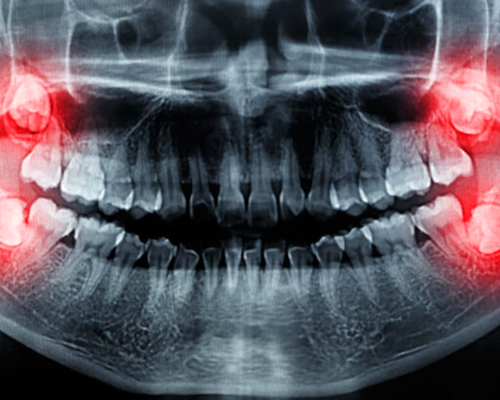
Wisdom teeth or 3rd Molars are the last teeth to erupt in the oral cavity and are the last tooth present in either jaw on each side. They usually erupt any time after 18yrs of age or may never erupt.
These are 4 in number and all of the 4 wisdom teeth may or may not be present. Also, fun fact they are not related to wisdom at all!
Being the last tooth in our jaw they often do not have any space to erupt in the oral cavity and are therefore found or discovered hidden or impacted usually on an Xray
They may cause pain or discomfort as they try to erupt.
Various Positions of a Wisdom tooth
There's a saying- No two wisdom teeth are ever the same!
They may therefore be positioned differently and have to be examined by an OPG Xray
OPG showing 3 different 3rd molars oriented differently
OPG showing all the 4 wisdom teeth and their positions
The impacted that is not fully erupted third molars have to be extracted surgically. Under local anesthesia the bone and the soft tissue that is hindering its eruption are removed and then extraction is carried out followed by sutures
There are two basic methods of tooth removal.
1 Simple Method :-
The first method requires dental forceps and is suitable for the majority of teeth that have erupted. In this method the tooth is held at its neck by forceps and rocked gently to expand the surrounding bone socket. This action can be compared to removing a post set in the ground by rocking it sideward.
2. Surgical Method :-
The second(surgical) method is reserved for those teeth whose roots either cannot be gripped using the forceps or the roots are of odd shape and defy all efforts to remove them by using forceps. In this method, the gums are cut open and the bone around the tooth is cut to allow removal of the teeth. After extraction, sutures are placed to allow faster healing and to prevent food particles from getting lodged in the wound. This method is generally used to extract wisdom teeth.